OAR Impact Day

Thank You for Joining Us

On September 25, 2025, we hosted OAR Impact Day: From Research to Reality, a free virtual event that brought together the autism community to explore how research makes a real difference in people’s lives.

Throughout the day, attendees heard directly from OAR-funded researchers who have transformed data into action and findings into meaningful, real-world solutions. Sessions highlighted:

  • What effective, applied autism research looks like and why it matters.

  • How innovative research is shaping education, policy, and practice.

  • Practical tools, strategies, and resources to support autistic individuals and their families.

  • The many ways science contributes to improving everyday life.

OAR Impact Day welcomed parents, autistic individuals, educators, researchers, and service providers, offering engaging and accessible sessions for everyone in the community.

The session recordings and handouts are available now. At the bottom of the page, you’ll also find informational videos from OAR staff to learn about how you can stay connected with OAR and continue supporting research that matters.

Impact Day Sessions

Opening Remarks

Presented by Kristen Essex and Peter Gerhardt, Ed.D.

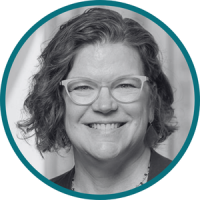
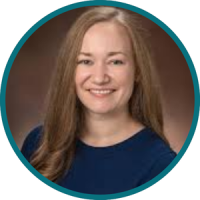
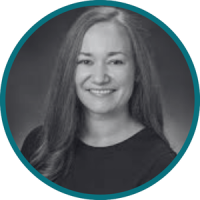
OAR’s Executive Director, Kristen Essex, and OAR’s Scientific Council Chair, Peter Gerhardt, Ed.D., shared opening remarks about OAR, our research funding, and what to expect from the day’s event.

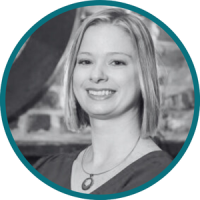
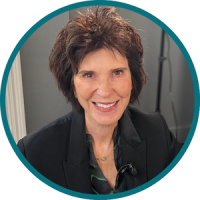
About the Speakers

Kristen Essex

Kristen Essex

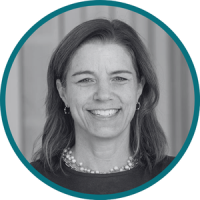
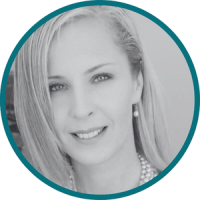
Kristen Essex came to OAR in 2015 with an extensive professional background that included insurance sales, the restaurant industry, and newspaper and small business management. In her initial role as Business Manager and later with her 2018 promotion to Deputy Executive Director, she managed OAR’s day-to-day operations, human resources, and finances. As of December 2022, Kristen is proud to serve as OAR’s Executive Director.

Kristen is a native of the Washington metropolitan area. She received a Bachelor of Arts in Economics/Business from Randolph-Macon College and a Master of Nonprofit Management from Regis University. She is also a Certified Autism Specialist through IBCCES.

Peter Gerhardt, Ed.D.

Peter Gerhardt, Ed.D.

Peter Gerhardt, Ed.D., is the Executive Director of the EPIC School in Paramus, NJ. Dr. Gerhardt has more than 35 years of experience utilizing the principles of Applied Behavior Analysis in support of adolescents and adults with autism spectrum disorders in educational, employment, residential and community-based settings. He has authored and co-authored articles and book chapters on the needs of adolescents and adults with ASD and has presented nationally and internationally on this topic. Dr. Gerhardt is the Founding Chairman of the Scientific Council for the Organization for Autism Research and currently leads the Council with Dr. Joanne Gerenser. He is on numerous professional advisory boards including the Cambridge Center for Behavioral Studies. Dr. Gerhardt received his doctorate from Rutgers, The State University of New Jersey’s Graduate School of Education.
Keynote Speaker | From Pilot to Practice: Advancing Communication Interventions for Minimally Verbal Autistic Children

Presented by Connie Kasari, Ph.D.

In 2007, OAR funded an intervention study to support intellectually disabled autistic preschoolers (average developmental quotient of 32). What began as a small pilot intervention has grown into a series of major studies funded by the National Institutes of Health (NIH), all focused on better supporting minimally verbal and non-speaking children.

At the center of this work is JASPER, a play-based intervention designed to teach social communication skills among young autistic children. Through randomized controlled trials, we have gained new insights on integrating augmentative and alternative communication (AAC) and combining intervention models to personalize treatment.

Learn how these research activities have contributed to meaningful developmental outcomes for autistic children with complex needs.

What You’ll Learn
By watching this session, you’ll walk away with:

  • A behind-the-scenes look at how a small pilot study grew into a large, NIH-funded research program focused on helping minimally verbal and non-speaking autistic children communicate.
  • An understanding of what the JASPER intervention is, and what research shows about its success, especially when combined with tools like augmentative and alternative communication (AAC).
  • Practical insights into how personalizing and combining different approaches can lead to more meaningful communication for children with complex needs.

Key Takeaways

  • Learn two communication goals that are helpful to focus on for non-speaking autistic children.
  • Discover two research-backed strategies from JASPER that support communication development.
  • Understand how tailoring interventions can make a real difference in helping children connect and express themselves.
About the Speaker

Connie Kasari, Ph.D.

Connie Kasari, Ph.D.

Connie Kasari, Ph.D., has been on the faculty at UCLA where she teaches both graduate and undergraduate courses and has been the primary advisor to nearly 100 PhD students.  She is a founding member of the Center for Autism Research and Treatment at UCLA. Her research aims to develop novel, evidence-tested interventions implemented in community settings. She is the current past-president of the International Society of Autism Research. 
Treating Encopresis: A Toileting Challenge with an Interdisciplinary Approach

Presented by Nathan Call, Ph.D., BCBA-D

Handouts: [Presentation slides]

Toileting difficulties like encopresis (incontinent bowel movements) can have a major impact on the daily lives of autistic children and their families. With support from OAR, we developed and tested a novel interdisciplinary approach that has helped 9 out of 10 children in the program achieve continence, thereby improving daily routines, independence, and family quality of life. These promising results led to larger NIH funding, including recent effort to examine the progression of toileting skills and whether the interventions can be delivered via telehealth. 

Learn the research behind the interventions and gain practical insights and strategies to support toileting success.

By watching, you’ll gain: 

  • A deeper understanding of how toileting challenges affect autistic children and their familiesand why traditional approaches often fall short.
  • The ability to identify factors that make toilet training challenging. 
  • A basic understanding of a successful, interdisciplinary approach to treating encopresis. 

Whether you’re a parent, caregiver, or professional, this session provides you with knowledge and tools to help make toileting a more manageable and achievable goal for the children you support.

About the Speaker

Nathan Call, Ph.D., BCBA-D

Nathan Call, Ph.D., BCBA-D

Nathan Call, Ph.D., BCBA-D, is a Professor of Pediatrics and Associate Chief of the Division of Autism & Developmental Health in the Emory University School of Medicine. He has worked at Marcus Autism Center since 2006, where he has held many positions as a researcher, clinician, and leader. In his role as the Vice President of Children’s Healthcare of Atlanta for the center he oversees all clinical activities and works with providers and other center leaders to develop clinical innovations. Dr. Call has published over seventy papers and book chapters on the treatment of harmful behavior exhibited by neurodiverse individuals.
Supporting Autistic Children and Teens to Manage Anxiety: Highlights from 20 Years of the Facing Your Fears Program

Presented by Audrey-Blakely Smith, Ph.D., and Judy Reaven, Ph.D.

Anxiety is one of the most common mental health challenges experienced by autistic youth with and without intellectual disabilities. Facing Your Fears (FYF) is a group cognitive behavioral therapy (CBT) program developed to help autistic youth better understand and manage their anxiety. Over the past 20 years, FYF has been carefully studied and refined, with strong evidence showing it can reduce anxiety and improve coping skills. 

This session shared what makes FYF effective, highlight its recent adaptations for teens with intellectual disabilities, and show how it can be delivered in schools by interdisciplinary providers to reach more students. 

Learn how the FYF program delivers practical, evidence-based strategies that can help autistic youth navigate and reduce anxiety. 

By watching this session, you’ll learn:

  • Simple tools from FYF that help children and teens recognize and manage anxiety, including calming strategies and helpful thinking techniques. 
  • About “graded exposure” and how it can help autistic youth face common fears appropriately. 
  • How parents and caregivers can play an active role in reducing anxiety using key concepts from the FYF parent curriculum. 

Whether you’re a parent, caregiver, educator, or professional, this session will provide you with practical insights to better support autistic youth in navigating anxiety with confidence.

About the Speakers

Audrey-Blakely Smith, Ph.D.

Audrey-Blakely Smith, Ph.D.

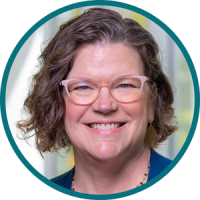
Audrey Blakeley-Smith, Ph.D., is an Associate Professor in the Departments of Psychiatry and Pediatrics at the University of Colorado Anschutz Medical Campus.  Her clinical and research interests are in autism and intellectual and developmental disabilities (IDD). She is the Director of JFK Partners’ Adult Assessment clinic and the training director of the APA approved clinical psychology internship in the Department of Family Medicine. Dr. Blakeley-Smith is a co-author of Facing Your Fears published in 2011, Facing Your Fears in Schools published in June 2024, and has adapted Facing Your Fears for autistic teens with IDD.

Judy Reaven, Ph.D.

Judy Reaven, Ph.D.

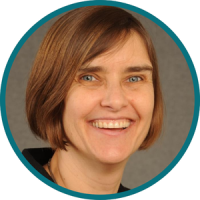
Judy Reaven, Ph.D., is a Professor of Psychiatry and Pediatrics, at JFK Partners, University of Colorado Anschutz Medical Campus and is a licensed clinical psychologist.  Clinical and research interests include identifying and managing anxiety in autistic children and teens.  She is the primary developer of Facing Your Fears (FYF) and has been Principal Investigator on private foundation and federal grants (NIMH, HRSA, PCORI). Dr. Reaven has worked with interdisciplinary school providers to adapt FYF for schools and is studying the implementation of FYF in schools.  She has authored numerous peer-reviewed publications, book chapters and two FYF manuals (for clinics and schools)
The Science of Making Friends for Autistic Teens and Adults: The UCLA PEERS Program

Presented by Elizabeth Laugeson, Psy.D.

The OAR-funded study was the first grant to support testing of the PEERS® for Young Adults program, developed by Dr. Elizabeth Laugeson at the UCLA Semel Institute for Neuroscience and Human Behavior. This pivotal funding helped establish the program’s evidence base and set the stage for its global expansion.

Since then, PEERS® has been implemented in over 150 countries and translated into more than a dozen languages. It is now widely recognized as the most evidence-based social skills intervention in the world, with over 85 peer-reviewed studies supporting its efficacy and effectiveness. The program has evolved to address a range of skills, from making and keeping friends, to dating etiquette, to soft skills for employment. Its impact has been far-reaching, improving social outcomes for neurodivergent individuals across diverse settings and cultures. 

By watching this session, you’ll walk away with: 

  • An understanding of ecologically valid social skills found to be helpful in making and keeping friends.
  • An awareness of evidence-based strategies for teaching social skills that enhance outcomes and generalization of skills.
  • Insight into the immediate and long-term outcomes of PEERS® for autistic adolescents and adults interested in making and keeping friends.  
About the Speaker

Elizabeth Laugeson, Psy.D.

Elizabeth Laugeson, Psy.D.

Elizabeth Laugeson, Psy.D., is a Clinical Professor at the UCLA Semel Institute and is a licensed clinical psychologist. She is Director of the UCLA Tarjan Center UCEDD and Founding Director of the UCLA PEERS Clinic. As creator of PEERS social skills programs, Dr. Laugeson has authored five English-language books on social skills and trained tens of thousands of professionals, educators, and families worldwide. Impressively, her PEERS programs have been translated into over a dozen languages, are implemented in more than 150 countries, and are considered one of the few empirically supported social skills curricula for neurodivergent youth across the globe.
OAR’s Impact on Unstuck and On Target: Where Are We Now?

Presented by Lauren Kenworthy, Ph.D., and Laura Anthony, Ph.D.

Handouts: [Presentation slides]

Autistic youth commonly report having executive functioning struggles, including trouble with flexible thinking, planning, goal-setting and other aspects of cognitive control. OAR was the first to fund research on the three school-based versions of Unstuck and On Target! The program has since expanded into a full suite of evidence-based interventions and supports for executive functioning for neurodivergent youth ages 8-22 and their parents. Learn more about the Unstuck program and how to access the free resources! 

By watching this session, you will:

  • Understand the importance of interventions that are both community-informed and evidence-based  
  • See the impact that OAR pilot grants can have in the autistic community and beyond 
  • Be able to access the Unstuck resources and hear what will be coming next 
About the Speakers

Lauren Kenworthy, Ph.D.

Lauren Kenworthy, Ph.D.

Lauren Kenworthy, Ph.D., is a clinical psychologist and neuropsychologist. She is an author of a school based executive function intervention for neurodiverse children, Unstuck and On Target, and the Behavior Rating Inventory of Executive Function (BRIEF). Her research has focused on the role of executive function in autism and how to support autistic youth so that they can thrive in their communities. She is also interested in measure development and co-production of self-report tools with autistic colleagues.  A national and international speaker on autism and executive functions, she is the author of five books and multiple chapters on these topics. 

Laura Anthony, Ph.D.

Laura Anthony, Ph.D.

Laura Anthony, Ph.D., received a dual-degree in clinical and developmental psychology that allowed her to gain expertise in both usual and neurodivergent development. She is especially interested in developing, testing and implementing evidence-based practices in the communities where they are needed using the co-development model. She is also a principal investigator and a co-author of the Unstuck and On Target programs and resources, a school- and home-based executive function intervention proven in multiple research trials (unstuckandontarget.com). This evidence-based treatment program improves executive functioning, including cognitive flexibility, goal-setting, prioritizing/planning and coping skills in neurodivergent children and adolescents (ADHD, autism). 
What Happens When You Fund Big Questions in New Terrain?

Presented by Paul Shattuck, Ph.D., MSW, and Laura Graham Holmes, Ph.D.

This session tells the story of how a small OAR grant helped lay the foundation for a new line of autism research. That early support created space to pursue bold, underexplored questions about life after high school for autistic youth. In the years that followed, the program grew into a nationally recognized research effort that shaped data systems, policy, and services. Two former trainees—now independent faculty—shared how their own OAR-funded projects built on this foundation to explore poverty, disability benefits, and sexual health. Together, we reflected on how early support, thoughtful mentorship, and field-shifting questions can lead to lasting real-world impact. 

By watching this panel discussion, you will:

  • Understand the power of asking bold questions that are new for the field. 
  • Understand how early-stage funding can support long-term, field-shaping research.
  • Learn how autism research can address overlooked needs like poverty, benefits, and sexual health.  
About the Speakers

Paul T. Shattuck, Ph.D., MSW

Paul T. Shattuck, Ph.D., MSW

Paul T. Shattuck, MSW, Ph.D., is an autism researcher best known for pioneering work on the transition to adulthood and life course outcomes. He founded the Life Course Outcomes Program at Drexel University and created the National Autism Data Center, the National Autism Indicators Report series, and the Transition Pathways Initiative. His research has shaped national policy, guided service improvements, and mentored a new generation of leaders in the field. He now leads a consulting and writing practice focused on public impact, strategy, and supporting those living and leading through authoritarian harm. 

Laura Graham Holmes, Ph.D.

Laura Graham Holmes, Ph.D.

Laura Graham Holmes, Ph.D., is an Associate Professor in the Silberman School of Social Work at Hunter College, City University of New York. She is best known for her nationally recognized work on autism and sexual and reproductive health, and for co-creating peer-facilitated interventions with and for autistic adults. She pursues under-researched community priorities and needs surfaced via clinical work and qualitative interviews with autistic people and seeks to drive interest and investment in these areas, including healthy relationships and violence prevention, sex and substance use education, substance use disorder treatment, addressing the needs of autistic people who are LGBTQIA+, and chronic pain.  
Closing Remarks

Presented by Kristen Essex and Kimberly Ha

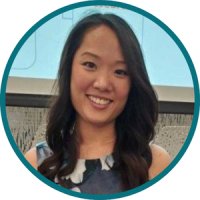
We ended the day with closing remarks from OAR’s Executive Director, Kristen Essex, and Senior Director, Research and Programs, Kimberly Ha.

About the Speakers

Kristen Essex

Kristen Essex

Kristen Essex came to OAR in 2015 with an extensive professional background that included insurance sales, the restaurant industry, and newspaper and small business management. In her initial role as Business Manager and later with her 2018 promotion to Deputy Executive Director, she managed OAR’s day-to-day operations, human resources, and finances. As of December 2022, Kristen is proud to serve as OAR’s Executive Director.

Kristen is a native of the Washington metropolitan area. She received a Bachelor of Arts in Economics/Business from Randolph-Macon College and a Master of Nonprofit Management from Regis University. She is also a Certified Autism Specialist through IBCCES.

Kimberly Ha

Kimberly Ha

Kimberly Ha is a certified autism specialist and an integral member of OAR’s executive leadership team. She directs OAR’s strategic vision while providing oversight and direction for the grant programs, scholarship programs, resource developments, webinar series, OARacle newsletter, and community outreach initiatives implemented by the Programs Team. Kim received her master’s degree in education from the University of Pennsylvania and has over a decade of work in service to the autism community. 

Prior to joining OAR in 2014, Kim taught science and transitions skills to students with high and low-incidence disabilities including autism. She previously collaborated with social workers, parents, and school staff to develop quality IEPs and ensure students received the special education services they deserved. Kim has a continued commitment to providing quality access to autism research, information, and education through OAR’s wide-ranging program activities.

Stay Involved with OAR

We hope you enjoyed watching the Coffee Break videos presented by our amazing OAR staff. Each video highlights unique opportunities to connect with our mission and community. If you missed the live event, you can watch the videos below to learn more about how you can get involved and make an impact today!

Thank you to our event sponsors