

I was diagnosed with Asperger’s when I was a child (and later re-diagnosed with autism after high school), and I felt so different from everyone else growing up. I didn’t feel like anyone in my school could relate to me.
Then I saw the movie A Beautiful Mind. For the very first time, a character on-screen reflected what it was like to think in numbers and have a challenging time socializing with others. For anyone who’s seen the movie, you’ll know the character is later diagnosed with schizophrenia. But for me, his undiagnosed autism was clear as day.
Since then, I’ve started to see more characters that are either “autism-coded” or have their diagnosis outright explained, such as The Big Bang Theory, The Accountant, or Atypical. However, I’d like to analyze these examples to highlight the root cause of inauthenticity of autism in the media (which I will reveal at the end).
The Big Bang Theory
The Accountant
Atypical
While I find The Big Bang Theory funny and The Accountant a guilty pleasure (it’s nice to see a character with autism become an action hero), the pilot episode for Atypical left me feeling terribly misrepresented.
The issue with all of these examples isn’t necessarily a lack of autistic actors in front of the camera–it’s the lack of neurodiversity behind the camera. No one on any of these creative teams was on the spectrum. (In fact, the backlash on Atypical was so enormous they brought on an “autism consultant” for the later seasons.)
The long-term solution is obvious to me: if you’re going to feature a story about an autistic character, it would be best if someone on the main creative team–whether it’s the writer, director, or producer–is also on the spectrum. That way they can speak up when something feels inauthentic.
When the creative team behind Atypical started being more inclusive during the production of season 2, this was a huge step in the right direction. And I do commend the showrunner for trying to create a show from an autistic person’s perspective, even if the first season was a little misguided. Thanks to them, even more people are aware of the autism community.
We should support neurodiversity behind the camera as much as in front of the camera. If you feel misrepresented when watching a movie or show, it likely lacks representation within the creative team behind it.
This is why I wrote the film Wally Jackson and the Probability of Love and Car Accidents. I wanted to write the movie I wanted to see in the world. Maybe a kid like me will see our film and know he’s not alone. And that’s why authentic autism representation is so important.
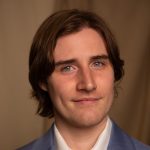 With over a decade of acting and screenwriting experience, Austin James Wolff took a significant leap by writing, executive producing, and starring in Wally Jackson and the Probability of Love and Car Accidents. The coming-of-age film introduces a nuanced neurodivergent protagonist, reflecting Austin’s own experiences and challenging the typical portrayals seen in media. Through “Wally Jackson,” Austin aims to reshape the cinematic landscape to include diverse and authentic representations of neurodiversity.
Instagram: @wallyjacksonmovie
TikTok: @wallyjackonmovie
YouTube: @wallyjacksonmovie
Find Your Crowd: Building Real Friendships Through Authenticity
I have collected Pokémon cards since I was about five years old. It felt like the most natural thing in the...
Your Support Made the Difference!
Each year, OAR lays out ambitious goals for engaging community members in celebration of Autism Acceptance Month. Throughout the beginning...
Everything Changed: An Excerpt from “What I Mean When I Say I’m Autistic”
The following excerpt is shared with the author’s permission from the book What I Mean When I Say I’m Autistic, which...