
Creating Autism-Healthy Workplaces
April 07, 2026
By: Antonio Myers
Categories: Self-Advocates, Employment, Message


There is a common misconception among ableists that adults with autism are “lazy.” In fact, autistic employees have many traits that make us attractive to employers. Yet the unemployment rate for autistic adults is high, ranging from 40% to 85%. My periods of unemployment were tough for me and my family. The rejection letters and emails were hard to take.
It isn’t just me. A 2019 research study noted that well-being is closely linked with health and productivity. Employees who are healthy and happy are more productive than those who are not. They also are more likely to contribute to their communities.
How can employers create a healthier and more productive workplace for their neurodivergent employees? They can provide reasonable professional accommodations such as:
My first advice to employers is to use polite word choices and gentle tones when you speak to uniquely abled staffers. Kindness highly matters to neurospicy/neurodistinct people. My second piece of advice is to ask what special needs staff members have and to address those special needs if they can. The last suggestion I have is to not rush someone who is on the spectrum. Rushing is anxiety-provoking for all people. For people with autism, it may cause fight-or-flight mode or silence them because of the level of anxiety.
My new job with a nonprofit is ideal for me, because I am successful at visiting workplaces that are community-organizing minded, have private offices, contain peaceful lunchrooms, respectful professionals, and higher-ups who value the uniquely abled. My neurotypical colleagues noticed that I use a stress ball to regulate my emotions. Now, some of them also use stress balls to calm themselves.
I am thankful for companies that are spearheading neurodiversity initiatives or neurodiversity hiring programs such as AMC Theatres, Walgreens, Home Depot, Google Cloud, Microsoft, and Ernst & Young. There are plenty of roles rooted within pattern recognition, attention to detail, and specialized knowledge that need people with autism to fulfill such as warehousing, merchandising, night shifts, graphic design, photography, library technology, baking, accounting, data entry, administrative work, software testing, quality assurance, cybersecurity, and data analysis.
In conclusion, autism-healthy workplaces provide improved mental health, increased confidence and well-being, reduced stress levels, higher retention and morale, and improved safety and productivity for neurodivergent employees. They are the best way to prevent sensory overload; professional anxiety, burnout, and dissatisfaction; high turnover rates; reduced errors; and incompetence. The quality of life for neurodivergent employees increases our professional satisfaction and enables better stress management. It also prevents us from feeling overwhelmed and allows us to be competent in our work and put in maximum effort.
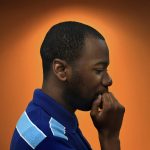 Antonio Myers has a bachelor’s degree in human services and minor in psychology. He was a commencement speaker at the ages of 14 and 23. He works for The Brewer Foundation, a DC non-profit dedicated to community services focused on education and disability advocacy.. He is a designated disability services provider through the DC Department of Disability Services. In 2020, DC Mayor Muriel Bowser appointed him to The District of Columbia State Rehabilitation Council, and he currently serves on OAR’s Self-Advocate Advisory Council.
Blue Envelope Program Supports Autistic Drivers
The Blue Envelope Program, an initiative designed to improve communication between autistic drivers and law enforcement officers, has been adopted...
OAR Welcomes New Hire Autism Navigators
Along with the spring sunshine, OAR’s Hire Autism Program warmly welcomed seven new talented navigators. Congratulations to Jenine B., Cristian...
Social-Emotional Development and Communication for Young Children
In October 2025, OAR’s Board of Directors authorized funding for eight applied autism research grants. These new research grants, totaling...