
Healthcare Toolkit for Healthcare Providers

Topics for Healthcare Providers

Providing quality care for autistic patients requires understanding, empathy, and informed practices. The information below is designed to support healthcare providers in delivering effective and inclusive care. Learn about autism and its impact on healthcare interactions, discover best practices for working with autistic patients, and gain insight into legal and ethical considerations. These resources are here to help you create a more accommodating and positive healthcare experience for all your patients.

Autism Information, Diagnosis, and Referrals

The DSM-5 specifies diagnostic critera for ASD.24 The following table summarizes the DSM-5 criteria, with examples of how these criteria may manifest in adults.22

DSM-5 Criteria for ASD Examples of How Criteria may Manifest in Adults
A. Persistent deficits in social communication and social interaction across multiple contexts. (Diagnosis requires person meets all three criteria.) 1. Deficits in social-emotional reciprocity Difficulty initiating or sustaining back and forth conversation; tendency to monologue without attending to listener cues; unusual response to greetings or other social conventions.
2. Deficits in nonverbal communicative behaviors used for social interaction Lack of eye contact; difficulty understanding non-verbal communication; unusual tone of voice or body language.
3. Deficits in developing, maintaining, and understanding relationships Challenges adapting behavior to match different social settings such as when interacting with family, friends, authority figures, or strangers; difficulty developing or sustaining friendships; greater than usual need for time alone.
B. Restricted, repetitive patterns of behavior, interests, or activities. (Diagnosis requires person meets at least two of four criteria.) 1. Stereotyped or repetitive motor movements, use of objects, or speech Repetitive movements or “stimming” (e.g., rocking, flapping, pacing, or spinning for enjoyment or as a coping mechanism); arranging objects in a very precise manner; echolalia; continuously repeating sounds, words, or phrases.
2. Insistence on sameness, inflexible adherence to routines, or ritualized patterns of verbal or nonverbal behavior Greater than expected degree of distress with changes in routines or expectations; difficulty transitioning between activities; need to do the same thing in the same way each time; greater than usual reliance on rituals for accomplishing daily tasks.
3. Highly restricted, fixated interests that are abnormal in intensity or focus Intense special interests (e.g., looking at spinning objects for hours, learning the detailed schedules of an entire public transportation system, or becoming an expert in seventeenth century art) while having significant difficulty attending to topics outside of one’s areas of special interest.
4. Hyper- or hyporeactivity to sensory input or unusual interest in sensory aspects of the environment Being hyper- or hypo-sensitive to sounds, lights, smells, or textures; having an abnormally high or low pain threshold; difficulty processing more than one sense at a time (e.g., not being able to understand spoken language while looking at someone’s face); tendency to become confused or overwhelmed by sensory stimuli; challenges with body awareness or separating different types of sensations.
C. Symptoms must be present in the early developmental period (but may not become fully manifest until social demands exceed limited capacities, or may be masked by learned strategies in later life) Though characteristics should have been present throughout one’s lifetime, a change in circumstances can disrupt coping strategies and make characteristics more pronounced; alternatively, environmental facilitators, supports, and coping strategies may make characteristics less noticeable.
D. Symptoms cause clinically significant impairment in social, occupational, or other important areas of current functioning. Characteristics lead to difficulty obtaining or sustaining employment, doing basic or instrumental activities of daily living, maintaining social life, or integrating with community. For example, there may be significant mismatch between educational attainment and occupational history.
E. These disturbances are not better explained by intellectual disability or global developmental delay. Intellectual disability and autism spectrum disorder frequently co-occur; to make comorbid diagnoses of autism spectrum disorder and intellectual disability, social communication should be below that expected for general developmental level. N/A


Though the DSM-5 conceptualizes ASD primarily as a social-communication disorder, there is a growing literature supporting the hypothesis that ASD is primarily characterized by differences in information processing.23 See, for example, the intense world theory of ASD.

Adults on the autism spectrum may display autistic traits differently from children. Most people, regardless of whether or not they are on the autism spectrum, mature and behave differently as they get older. As such, adults on the spectrum may not fit society’s images of autistic children. In addition, adults often find coping strategies that help them function in the world, but that may make autistic traits harder to recognize.

There is great heterogeneity in the clinical presentation of ASD. Although anyone on the spectrum would be expected to have challenges with social communication, these challenges can show up in many different ways. For example, a person may not be able to speak, may misunderstand facial expressions and body language, or may take language too literally. A person may have difficulty starting a conversation, may need more time alone than most people, or may feel uncomfortable socializing with others without a planned activity.

Likewise, anyone on the spectrum would be expected to have restricted or repetitive patterns of behaviors, interests, or activities, but that can be different for each person. For example, a person may look at spinning objects for hours, learn the detailed schedules of an entire public transportation system, or be an expert in seventeenth century art. Many people on the spectrum appreciate structure and can find routines very helpful in understanding or coping with the world. For example, they may always need to take the same route to get somewhere or may use a very complex organizational system to function at work or remember to eat. Unplanned events or changes in routines may cause anxiety for people on the autism spectrum.

People on the autism spectrum may experience sensory input differently from other people. For example, a person might have very sensitive hearing, whereas another might have an extremely high pain threshold. Often people may have a very hard time coping with certain sensations, such as fluorescent lights, loud sounds, light touch, or particular textures or smells. They may not be able to process more than one sense at a time. For example, they may not be able to understand spoken language while looking at someone’s face. They may also get overwhelmed when there are a lot of sensory stimuli happening at once.

Some people on the spectrum may have difficulty with motor skills. Examples may include difficulty with handwriting, catching a ball, or planning complex, multi-step actions like learning a dance sequence.

Traits of autism can be strengths or challenges, or sometimes both. For example, some autistic individuals develop great expertise in their areas of special interests, or capitalize on their need for routine and consistency to effectively self-manage chronic conditions. Not all people on the autism spectrum have stereotypical positive traits such as being good at memorizing things or using computers. Similarly, people on the autism spectrum do not always shy away from social interactions, and many can maintain strong friendships or relationships.

Many adults who meet diagnostic criteria for ASD do not carry formal medical diagnoses of ASD, either because they have never come to medical attention or because they have been misdiagnosed with a differential condition (e.g., social anxiety, intellectual disability, obsessive-compulsive disorder). When deciding whether to refer an adult patient for a diagnostic evaluation for ASD, one should consider potential risks and benefits of a diagnosis, and should discuss these possibilities with the patient and, if applicable, their supporters.

Potential benefits of a formal diagnosis are as follows.

  • Would confer legal rights to accommodations in school, at work, in healthcare, or in other settings.
  • May assist the individual in developing a better understanding of self.
  • May provide peace of mind through the professional confirmation of life experiences.
  • May provide means to experience better coping or quality of life by more directly helping in recognizing strengths and accommodating challenges.
  • May provide others means to understand and support the individual.
  • May qualify the individual for benefits and services for people who have an ASD diagnosis.
  • May qualify the individual for programs for people with disabilities, such as scholarships or incentives that are meant to increase workplace diversity.

Potential risks associated with seeking an ASD diagnosis are as follows.

  • The process of seeking and being evaluated for the diagnosis may be stressful.
  • The person may perceive the interaction with the diagnostician or provider as negative, disrespectful, or otherwise uncomfortable.
  • The interpretation of ASD criteria and subsequent diagnosis varies by provider, particularly in the adult presentation.
  • Information about an individual’s ASD could potentially negatively impact child custody cases.
  • Others in individual’s life may still not be supportive, even with the diagnosis.

Finding a provider who is qualified to diagnose ASD in adults may be challenging. Professionals who commonly diagnose individuals on the autism spectrum include psychiatrists and psychologists. Providers who predominantly work with children, however, may or may not accept adult patients or have a full understanding of how autism manifests in adults. Similarly, many psychiatrists and psychologists who primarily work with adults may not have expertise in autism. It is best to contact potential providers to assess their willingness and expertise in working with adult patients on the autism spectrum. In general, diagnoses should be made using input from a variety of sources including standardized diagnostic instruments such as the ADOS or ADI-R.

Health insurance coverage for ASD diagnoses can vary. Clinical history and observation within the context of a billable clinical visit may be sufficient to make the diagnosis. Coverage for mental-health visits varies by plan. Complete testing may or may not be covered by certain payers, and may require prior authorization. Vocational rehabilitative services may provide assessments that are indicated to help an individual in his or her desire to achieve employment.

Though there is greater attention to, and controversy about, therapies intended to treat ASD in children, providers often under-utilize referrals for therapies, services, and assistive technologies for adults on the autism spectrum. Such therapies, services, or technologies are not meant to treat or cure autism, but can potentially help adults on the autism spectrum improve function or quality of life. The aim is to help patients address challenges, increase coping strategies, treat co-occurring conditions, or obtain needed accommodations or supports. Participation in therapy should be the patient’s choice.

The following are a few examples where providers may consider referring adult patients on the autism spectrum for additional therapies, services, or assistive technologies.

Many individuals who have limited speech can benefit from the use of assistive and augmentative communication (AAC) technology, such as picture boards or text-to-speech devices. There are countless examples of individuals who could not communicate effectively until they learned to use assistive technology as adults. Typically, such patients’ intellectual capabilities are under-estimated. Patients also may continue to develop and mature well into adult life. Failed attempts to use assistive communication in the past should not preclude reconsideration of a referral for adult patients with limited communication skills.

The benefit of AAC is not limited to individuals with minimal speech. Many people on the autism spectrum report that their ability to communicate using speech varies significantly from one time to the next, or in different situations. Similarly, even people who sound as if they have fluent speech may find that they communicate much more effectively using AAC devices such as text-to-speech programs. Conversely, patients who have difficulty writing may benefit from speech-to-text or word completion programs. AAC and assistive writing technologies can be used with free-standing devices, computers, or smartphones and other mobile devices. When caring for patients on the autism spectrum who report challenges with spoken or written language, consider offering referrals to Speech and Language Pathologists or Occupational Therapists who have experience with these technologies. Other assistive technologies that may be useful to adults on the autism spectrum include electronic organization or reminder systems.

Many patients on the autism spectrum experience mental health problems such as depression, anxiety, and post-traumatic stress disorder. One should not assume that mental health problems are inherent to autism. Identifying and addressing co-occurring mental health issues is important. In some cases, patients may respond well to typical therapies such as antidepressants. In other cases, it may be critical to find a therapist who understands how to work with adults on the autism spectrum, because typical assumptions about how to communicate effectively with patients or foster strong therapeutic relationships may or may not apply to individual patients.

Mental health therapists may also be able to offer strategies or ideas for accommodations to help with communication, organization, or sensory sensitivities. Some mental health therapists can help patients learn ways to understand and manage social situations. Patients may find therapy helpful in finding ways to understand and respond to negative emotions or to help prevent melt-downs.

Speech language pathologists and occupational therapists can potentially help adult patients find effective strategies for improving social communication and increasing independence in activities of daily living. Vocational rehabilitation services are often available to help patients on the autism spectrum obtain or sustain employment.

Local autism centers, autism organizations, developmental disability programs or offices, or professional organizations may have names of therapists who have expertise working with adults on the autism spectrum. Autism NOW lists many national and local resources for individuals on the autism spectrum.

There is scarce data on the health status of autistic adults. However, some studies show that autistic adults have high rates of chronic medical conditions including epilepsy, gastrointestinal disorders, metabolic syndrome, anxiety, depression, sleep disturbance and exposure to violence and abuse.1,2,3,4 Autism is associated with reduced life expectancy, especially for those with epilepsy, moderate to severe intellectual disability and female sex. Preventable causes such as accidents, trauma and barriers to accessing medical care may also contribute.5,6,7

Roughly 20-30% of autistic adults have epilepsy. Prevalence is higher for autistics with intellectual disabilities.8,9 Heartburn, constipation, food intolerances and feeding problems are common. These problems can cause agitation and distress.10,11 There is no specific diet recommended for autistic adults, but many people have sensory sensitivities to flavors, textures or smells. Some people require support to remember to eat or to prepare meals. Autistic adults have higher-than-average prevalence of high blood pressure, cholesterol, obesity and diabetes.12,13 Risk can be reduced with healthy diet, exercise and minimizing the use of medications that cause problems with metabolism.14,15,16 Anxiety and depression appear to be more common in autistic adults.17,18 These mental health issues may be worsened by stress, trauma lack of effective communication and lack of agency. Sleep disturbances are often associated with unrecognized medical problems or side effects of medications. Diagnosing and addressing these problems improve sleep. Also, in autistic people, the best evidence supports treatment of insomina with good sleep habits and melatonin 30 minutes prior to bedtime.20,21

Autistic people are also at risk for physical and sexual violence from partners, supporters and peers. Other forms of abuse include neglecting to provide needed care, economic abuse or withholding an assistive device.

1Doshi-Velez F, Ge Y, Kohane I. Comorbidity Clusters in Autism Spectrum Disorders: An Electronic Health Record Time-Series Analysis. Pediatrics. 2014;133(1):e54-e63.

2Tyler CV, Schramm SC, Karafa M, Tang AS, Jain AK. Chronic disease risks in young adults with autism spectrum disorder: forewarned is forearmed. American journal on intellectual and developmental disabilities. 2011;116(5):371-380.

3Kohane IS, McMurry A, Weber G, et al. The co-morbidity burden of children and young adults with autism spectrum disorders. PloS one. 2012;7(4):e33224.

4Hughes RB, Lund EM, Gabrielli J, Powers LE, Curry MA. Hughes, R. B., Lund, E. M., Gabrielli, J., Powers, L. E., & Curry, M. A. (2011). Prevalence of interpersonal violence against community-living adults with disabilities: A literature review. Rehabilitation psychology. 2011;56(4):302.

5Woolfenden S, Sarkozy V, Ridley G, Coory M, Williams K. A systematic review of two outcomes in autism spectrum disorder-epilepsy and mortality. Developmental Medicine & Child Neurology. 2012;54(4):306-312.

6Shavelle RM, Strauss D. Comparative Mortality of Persons with Autism in California, 1989-1996. Journal of Insurance Medicine. 1998;30(4):220-225.

7Shavelle RM, Strauss DJ, Pickett J. Causes of death in autism. Journal of autism and developmental disorders. 2001;31(6):569-576.

8Woolfenden, S., et al. (2012).

9Viscidi, E. W., et al. (2013). “Clinical characteristics of children with autism spectrum disorder and co-occurring epilepsy.” PLoS One 8(7): e67797.

10Buie T, Campbell DB, Fuchs GJ, et al. Evaluation, diagnosis, and treatment of gastrointestinal disorders in individuals with ASDs: a consensus report. Pediatrics. 2010;125(Supplement 1):S1-S18.

11Charlot L, Abend S, Ravin P, Mastis K, Hunt A, Deutsch C. Non?psychiatric health problems among psychiatric inpatients with intellectual disabilities. Journal of Intellectual Disability Research. 2011;55(2):199-209.

12Tyler CV, et.al. (2011).

13Kohane, IS, et.al. (2012)

14de Kuijper, G., et al. (2013). “Determinants of physical health parameters in individuals with intellectual disability who use long-term antipsychotics.” Res Dev Disabil 34(9): 2799-2809.

15Bobo, W. V., et al. (2013). “Antipsychotics and the risk of type 2 diabetes mellitus in children and youth.” JAMA Psychiatry 70(10): 1067-1075.

16de Kuijper, G., et al. (2013). Effects of controlled discontinuation of long-term used antipsychotics for behavioural symptoms in individuals with intellectual disability. J Clin Psychopharmacol 33(4): 520-524.

17Davis III TE, Hess JA, Moree BN, et al. Anxiety symptoms across the lifespan in people diagnosed with autistic disorder. Research in Autism Spectrum Disorders. 2011;5(1):112-118.

18Allen D, Langthorne P, Tonge B, et al. Towards the Prevention of Behavioural and Psychiatric Disorders in People with Intellectual Disabilities. Journal of Applied Research in Intellectual Disabilities. 2013.

19Rossignol, D. A. and R. E. Frye (2011). “Melatonin in autism spectrum disorders: a systematic review and meta-analysis.” Dev Med Child Neurol 53(9): 783-792.

20Hylkema, T. and C. Vlaskamp (2009). “Significant improvement in sleep in people with intellectual disabilities living in residential settings by non-pharmaceutical interventions.” J Intellect Disabil Res 53(8): 695-703

21Hughes RB, Lund EM, Gabrielli J, Powers LE, Curry MA. Hughes, R. B., Lund, E. M., Gabrielli, J., Powers, L. E., & Curry, M. A. (2011). Prevalence of interpersonal violence against community-living adults with disabilities: A literature review. Rehabilitation psychology. 2011;56(4):302.

22Nicolaidis, C., Kripke, C.C., Raymaker, D.M. (2014) Primary Care for Adults on the Autism Spectrum Medical Clinics of North America. 98;1169-1191.

23Kapp, SK (2013). Empathizing with sensory and movement differences: Moving toward sensitive understanding of autism. Frontiers in Integrative Neuroscience. 7(38)

24American Psychiatric Association. Diagnostic and Statistical Manual of Mental Disorders, Fifth Edition (DSM-5). Washington, DC: American Psychiatric Association; 2013.

Caring for Patients on the Autism Spectrum

There is great heterogeneity amongst individual patients on the autism spectrum. We have created the Autism Healthcare Accommodations Tool to help your patients or their supporters give you individualized information about how being on the autism spectrum affects their healthcare, and what strategies and accommodations may facilitate care.

The following section describes some of the underlying issues that may necessitate special strategies and accommodations for patients on the autism spectrum.

This information, and other information about adults and ASD, can also be found in the paper Nicolaidis, C., Kripke, C.C., Raymaker, D.M. (2014) Primary Care for Adults on the Autism Spectrum Medical Clinics of North America. 98;1169-1191.

Potential for False Assumptions about Communication Skills

Individuals on the autism spectrum, by definition, have atypical communication. There is great heterogeneity between patients in regards to communication strengths, challenges, and styles. An individual patient’s ability to communicate may vary greatly between modes of communication (e.g. spoken vs. written language). There may be large differences in receptive vs. expressive communication. For example, someone may understand spoken language, but not be able to speak, or may speak fluently, but not be able to process auditory information accurately. There may also be large variations in communication in an individual patient from one time to the next, depending on the environment, medical illness, or other stressors. For example, a patient who speaks fluently during a normal visit may not be able to use speech effectively in an emergency or in an over-stimulating environment. Similarly, a patient may be able to communicate via speech in-person, but may not be able to process spoken language over the telephone.

Understanding a patient’s communication needs, strengths, and preferences is very important. Patients on the autism spectrum attribute many failed healthcare interactions to providers’ assumptions, misunderstanding of their strengths or challenges, or the fact that the communication did not occur using the most effective method.

“I prefer and find it easier to communicate in text… But with every doctor I speak to, they wave away the note-card and look at me to ask the same question I have just answered and interpret my confusion as my being non-compliant with the medicine. I wish health care providers would read the notes I make for them. I wish they would be patient as I pause a lot and stutter when I am overloaded.”

Do not assume that a patient cannot understand healthcare information or communicate with you when they do not speak fluently. Similarly, do not assume that a patient who speaks fluently or with an advanced vocabulary doesn’t have significant communication difficulties.

“Usually when I demonstrate a large vocabulary or some fundamentals, my needs especially around communication are then ignored. My choice is then to pretend to be less intelligent and accept their infantilism, or to be confused, frustrated, and stressed out.”
“Just because I have difficulty expressing what is going on with me doesn’t mean I am stupid or that I am making things up.”

TIPS

Try to obtain individualized information (e.g. via the Autism Healthcare Accommodations Tool) from patients or supporters about the following.

  • Patient’s ability to understand spoken language.
  • Patient’s ability to speak.
  • Patient’s ability to read and write.
  • Patient’s use of alternative and augmentative communication (AAC). AAC may include picture-based systems (e.g. picture boards), text-based systems (e.g. text-to-speech programs), sign language, or other signs or behaviors. They may be stand-alone devices, programs on computers, tablets, smartphones, or informal systems (e.g., picture cards, notes on a piece of paper).
  • Patient’s preferred mode of communication.
  • Patient’s ability to use the telephone for between-visit communications (and more effective alternatives if telephone communication is not effective).
  • Degree to which communication normally varies based on environmental factors or stress.

Attempt to use the most effective communication mode, even if it means altering your usual interview style. For example, depending on patients’ needs, you may wish to have patients write or pre-record information, encourage them to use communication devices during visits, or communicate with them via electronic mail or other forms of secure messaging.

Literal and Precise Language

It is common for individuals on the autism spectrum to take language literally.

“They asked him, on a level of one to ten, where is your pain? First time he said, ‘How do you weigh your pain? … I don’t weigh my pain.'”

It is also common for individuals on the autism spectrum to require very precise language. This often becomes a concern when providers offer relatively vague information or ask patients broad, open-ended questions.

“‘How do you feel?’ Too vague. ‘Can you describe your symptoms?’ I can somewhat answer this, but not fully. It’s a starting point, not end point. Specific questions related to symptoms are good: ‘Does your side hurt?’ ‘Are you keeping food down?'”

Patients may also experience anxiety because they do not know how to answer a question with complete accuracy. For example, if a provider asks, “Do you ever have chest pain?” a patient may feel that they need to think back to every day of their life to make sure he has never felt a pain in his chest. Or they may not be able to answer how frequently something happens because the symptom is not constant.

Strategies or accommodations to address the need for precision may vary by patient. For example, although some patients may need providers to use simple words and short sentences, other patients may find longer sentences or advanced vocabulary easier to understand, because it may enable the provider to be more precise.

TIPS

It is best to obtain information (e.g. via the Autism Healthcare Accommodations Tool) about your patient’s specific preferences. In general, it is often helpful to do the following.

  • Be very concrete and specific.
  • Avoid figurative expressions and figures of speech.
  • Avoid broad questions. In some cases you may need to ask mostly closed-ended questions or even only ones that patients can answer with “yes” or “no”. In other cases, patients may be able to answer open-ended questions if you provide them with specific instructions or examples of the type of information that you seek.
  • Show patients lists of symptoms from which to choose.
  • Give examples of the types of things people may experience, and have the patient tell you if they also experiences them.
  • Remind patients that it is OK if they do not know the answers to questions or are not exact in their answers.
  • Give patients very direct and concrete examples when discussing your assessment and plan.
  • Direct patients to detailed information or resources about their health conditions and treatment options.

Non-Verbal Communication

Patients may have difficulty understanding tone of voice, facial expressions, or body language. They may inadvertently seem rude due to their atypical body language or facial expressions (potentially in addition to their use of very direct language).

“Talking to people doesn’t come naturally to me. I have a lot of difficulty with open ended questions and a lot of trouble understanding other people especially if there is any background noise or if they are misreading me or my face and then react to me. I get that a lot. People somehow think I am being rude or deceiving them or being manipulative for no reason that I can see. So they tend to get more aggressive with me.”

Individuals on the autism spectrum often avoid eye contact. Do not force a patient to make eye contact, because it may be uncomfortable or may hinder their ability to communicate effectively.

“Don’t assume no eye contact means we are not listening or we are being deceptive. It is often a way we need to behave to regulate incoming stimuli and not be overwhelmed by too much at once.”

TIPS

Patients may make repetitive motions, also called “stimming”. Examples include hand flapping, rocking, or pacing. Stimming may be an effective coping mechanism, especially during times of stress such as medical visits. Do not assume that a patient is distracted or inattentive just because they are fidgeting, making repetitive movements, or avoiding eye contact with you.

Processing Speed and Real-Time Communication

Many individuals on the autism spectrum have difficulty processing information quickly or communicating in real time.

Processing speed may interfere with healthcare communications in multiple ways. Patients report not being able to process language or information quickly enough to respond to questions or make healthcare decisions. They also may not be able to process sensory stimuli rapidly. For example, during a physical examination, a patient may not be able to indicate that an area is tender before the provider has started palpating a different area.

“It might take a while for a patient to effectively communicate. It takes them a little bit extra amount of time to process questions, process information, and sometimes their responses are, you know, gonna be more delayed than say the typical patient[‘s] might. …for instance if the patient receives questions or information to describe or identify their conditions or their symptoms, they might not be able to answer right there. They might sort of need to go home and kind of think over it, and then be able to answer the next session, or even call in and describe it.”

TIPS

Potential Accommodations Related to Processing Speed:

  • Give patients time to process what has been said or to answer questions. Check to make sure they are ready to move on.
  • Give patients extra time to process things they need to see, hear, or feel before they respond.
  • If possible, schedule longer appointments.
  • Encourage patients to prepare notes in advance about what they want to discuss. Carefully read any notes that patients bring to the visit. A variety of templates are available to help patients prepare for visits.
  • Write down important information or instructions, so that patients can review them later.
  • If appropriate, direct patients to detailed information or resources about their health conditions, so that they can review these outside of the appointment.
  • If necessary, give patients time to make a decision and communicate the decision at a later time. It may be possible to see another patient and then return to finish a visit with the original patient, or it may be best to schedule a follow-up visit.

Individuals on the autism spectrum commonly have atypical sensory processing. This may take the form of increased or decreased sensitivity to sounds, lights, smells, touch, or taste. They may have great difficulty filtering out background noise, processing information in over-stimulating environments, or processing more than one sensation at a time.

Sensory issues can have many important effects on healthcare interactions. Patients describe many instances where sensory issues interfered with effective healthcare.

“…I have just traveled to the office on a very loud bus or train. The lights in the office are very bright and that is exacerbated by the white walls. Sometimes the waiting rooms are crowded and I cannot filter out the background of people talking or shuffling magazines. I feel disoriented by being led down long hallways to different rooms…. I am not able to bring up my concerns because it is all I can manage to figure out what the doctor is saying so I can respond to his questions. “

TIPS

The following are examples of accommodations or strategies that may be helpful for some patients, depending on their sensory processing. It is best to obtain individualized information (e.g. via the Autism Healthcare Accommodations Tool).

  • Use natural light, turn off fluorescent lights if possible, or make the lighting dim.
  • Try to see the patient in a quiet room.
  • Have only one person talk at a time, and try not to talk to the patient while other noises are present.
  • Avoid unnecessarily touching the patient (for example, to express concern).
  • Warn the patient before you touch him or her. (See section on physical examinations for additional information.)
  • Encourage patient or supporters to bring objects to reduce or increase sensory stimuli. Examples may include headphones to block noise, sunglasses or hats to block light, or sensory toys such as stress balls, gum, spinning tops, or soft fabric.

Many patients on the autism spectrum experience a variety of challenges related to limited body awareness. Examples include difficulty discriminating abnormal from normal body sensations; difficulty pinpointing the location of a symptom; difficulty characterizing the quality of a sensation; particularly high or low pain thresholds; and difficulty recognizing normal stimuli such as hunger or the need to urinate. Patients often describe situations where issues related to body awareness caused providers to make incorrect medical assessments.

“I don’t know my own body. …So when I feel all these different sensations, everywhere, I don’t know which is the real problem and which is just sensation.”
“The problem is it is difficult for me to isolate specific sources of pain and identify duration and intensity. It’s sort of like the equivalent to white noise.”

TIPS

It is important to consider the possibility that differences in body awareness may be affecting how a patient recognizes or describes a symptom, or how a patient responds to illness. In some cases, you may need to do additional testing or imaging, because information from the history and physical examination may be limited.

Consistency

Many individuals on the autism spectrum have a high need for consistency. They may become anxious or confused by changes in routine, which may lead to melt-downs or an inability to function. Alternatively, they may need more detailed explanations than other patients to plan for a visit or to stay focused and comfortable during a visit.

“Meeting new people is very difficult, so when I was always shuffled to a specialist, it was extremely scary and anxiety provoking.”

TIPS

You can get individualized information (e.g. via the Autism Healthcare Accommodations Tool) on strategies to address the need for consistency, but in general, the following strategies may be helpful to patients on the autism spectrum.

Before a visit, ask staff to do the following.

  • Let the patient or his or her supporters know what is likely to happen during an office visit.
  • If possible, avoid rescheduling appointments. Notify patients as soon as possible if the schedule changes unexpectedly.
  • Give the patient pictures, or let the patient or a supporter take pictures, of the office or staff.
  • When the patient checks in, let him or her know how long the wait is likely to be. Give patients plenty of warning if there is an unexpected delay.

Time Awareness

Some individuals on the autism spectrum report difficulty with concepts related to time. This may make it challenging to answer questions about the onset, duration, or frequency of symptoms or illnesses. It may also make it more difficult to follow time-based instructions.

TIPS

  • Help the patient answer questions about time by linking to important events in his or her life.
  • Work with the patient to explain time-based recommendations. For example, help the patient set up an alarm for when to take a pill, or link the act of taking a pill to specific parts of a daily routine.

Visual Thinking

Some but not all individuals on the autism spectrum “think in pictures”. It may be easier for them to understand information and make decisions if you use visual aids. Note that patients with fluent speech may still have significantly stronger visual processing than auditory processing skills.

TIPS

  • Offer to use diagrams, pictures, or models with patients who may benefit from them.
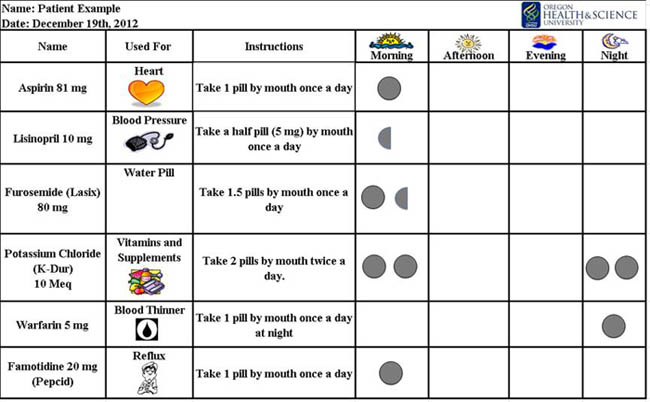
  • Create (or have your staff or the patient’s supporters create) visual schedules for your recommendations). Example:

    Download a blank visual pill schedule (Excel)

Planning, Organizing, and Sequencing

Many individuals on the autism spectrum have difficulties with planning, organization, and sequencing. These challenges can have significant impacts on patients’ ability to navigate the health system or follow recommendations.

“With my autism it is very difficult for me to understand and follow all the different appointments and procedures I have to schedule and how to do it, and no one will help me since apparently people magically become competent at these things before they turn 21.”
“It’s like having a list of a hundred things you have to get done right away, which you must memorize aurally in the five minutes you spend with the doctor and then execute without error, even though you don’t even understand how to do half the things you need to do.”

TIPS

Possible accommodations or strategies to help minimize the impact of such challenges include the following.

  • Write out detailed step-by-step instructions.
  • Show patients what you want them to do while they are still in your office.
  • Have office staff help the patient schedule follow-up visits, referrals, or tests.
  • Show or have someone show the patient how to get to other places in your office or medical center.
  • Have office staff contact the patient or his or her supporters after the visit, to make sure that the patient has been able to follow your instructions.
  • Give patients worksheets or diaries to keep track of symptoms.
  • Give the patient detailed information about how to communicate with office staff between visits.

Physical Examinations, Tests, and Procedures

TIPS

It is best to obtain individualized information (e.g. via the Autism Healthcare Accommodations Tool) about what will help a patient better tolerate examinations of procedures. The following are examples of accommodations or strategies that may help patients.

  • Explain what is going to be done before doing it.
  • Show the patient equipment, or pictures of the equipment, before using it.
  • If possible, let the patient do a “trial run” of difficult exams or procedures.
  • Tell the patient how long an exam or procedure is likely to take.
  • Warn the patient before touching or doing something to them.
  • Limit the amount of time a patient must be undressed or in a gown.
  • Give patients extra time to process things they need to see, hear, or feel before they respond.
  • Allow the patient to sit, lie down, or lean on something during procedures, when possible.
  • Let patients use a signal to tell you they need a break.
  • Ask the patient from time to time if they are able to handle the pain or discomfort.

In many cases, thoughtful planning and appropriate accommodations can enable patients to tolerate examinations and procedures that have previously been intolerable. Nevertheless, there may be times when patients need anesthesia to tolerate examinations or procedures.

Phlebotomy

Phlebotomy may be particularly challenging for some patients on the autism spectrum. If a patient has had a particularly hard time with blood draws, you may consider some of the following strategies and accommodations.

TIPS

  • Order blood tests only when absolutely necessary, and group them together to minimize the number of draws.
  • Allow the patient to lie down or lean back on something.
  • Use a numbing spray or cream.
  • Be patient, and use a calm voice.
  • Give the patient a very detailed explanation of what will happen, including how many tubes of blood you will fill.
  • Consider giving the patient an anti-anxiety medication before the blood draw.
  • Give the patient plenty of advance warning, so that they can prepare herself emotionally.
  • Give the patient something to distract their attention.

Legal and Ethical Considerations

Physicians have an obligation to obtain informed consent from a patient prior to implementing an assessment or treatment plan. If a patient does not have the capacity to provide a valid consent, informed consent must be obtained from his or her legal representative. For people with disabilities and their caregivers, this process can be fraught with ethical, legal, and logistical challenges. This document provides clinicians with guidance on how to avoid common problems with the informed consent process. Local and state laws may vary; the information contained in this section should not be construed as legal advice

  • For an informed consent decision to be valid, the patient must have the mental ability to understand the risks and benefits of each option, weigh them against each other, and communicate a choice.
  • A person’s diagnosis of a cognitive, physical, or intellectual disability should not in itself preclude capacity for informed consent.
  • Mental capacity is specific to a particular decision. The nature and complexity of decisions vary. Capacity must be assessed and documented separately for each decision to be made.
  • Mental capacity is specific to a particular point in time. It is not static and can fluctuate. A capacity determination refers to a specific time.
  • Mental capacity can often be improved with adequate supports. Accommodations requested in the patient’s tool kit should be arranged prior to assessing mental capacity. Information should be provided in a format and an environment that maximizes the patient’s ability to understand (e.g. pictures, videos, demonstrations, field trips, gestures, or vignettes). Adequate time and communication supports should be provided to assist the patient to respond.
  • Assume that your patient is competent until proven otherwise. Due to communication challenges, or assumptions about a patient’s ability, professionals and caregivers can easily overlook mental capacity. The patient’s right to self-determination is frequently violated. Informed consent must be voluntary without coercion, misrepresentation, duress, or pain. People with disabilities may not express pain in a typical fashion and may have sensory sensitivities that distract them.
  • After assessment, if there is still uncertainty about mental capacity, the patient’s assent should be sought and documented. If the patient does not at least assent to proceed with an important assessment or treatment, consider additional patient protection procedures such as a team meeting with a patient advocate or ethics consultation.
  • Patients who do not have mental capacity to make informed consent decisions can almost always contribute relevant information about their values, priorities, or degree or distress. This information may be communicated verbally or with other language, facial expressions, gestures, or behavior. This information should be considered by substituted decision-makers.
  • Many patients who do not have the mental capacity to provide informed consent do have the mental capacity to decide whom they trust to assist. In this situation, advance directives or power-of-attorney documentation may exist or can be completed. These choices usually take precedence over other legal processes. A power of attorney should not be used for a person who has mental capacity to decide.
  • Some patients have legal guardians, conservators, agencies, or caregivers who have been given legal authority to make medical decisions on behalf of a patient when he or she does not have capacity to make a decision. Legal representatives often appreciate input from other sources.
  • If no legal representative can be identified, follow state or institutional policies. You can contact your state’s Protection and Advocacy agency for legal advice on how to proceed.
  • If still no legal representative can be identified, or if the legal representatives are unable or unwilling to decide, the legal process is unclear. A clinician can attempt to identify everyone in the patient’s life who has a stake in the decision. A team meeting can then be held to achieve consensus on how to proceed (e.g., with caregivers, family, supporters, case coordinators, service providers, government agencies, other health professionals serving the patient, client’s rights advocates from the state’s Protection and Advocacy organization and, if needed, an ethicist).
  • Patients with mental capacity have the right to accept or decline any medical procedure, including intravenous hydration and enteral feeding. Under the Americans with Disabilities Act, health professionals are responsible for providing access to care, even if it is expensive, complex, costly, or inconvenient. Challenges to providing access should not influence counseling or decision-making.
  • Substituted decisions should be made based on the best interests of the patient. Power imbalances always exist. Ask how to structure discussions to minimize power imbalances.
  • The lives of people with disabilities are meaningful and valuable. Even people with very significant disabilities tend to rate their quality of life higher than substituted decision-makers and professionals do.
  • Clinicians and other team members should avoid dehumanizing language. Clinicians and other team members should be alert for, and challenge, prejudicial assumptions and reasoning during discussions about informed consent.
  • People with very significant disabilities can be healthy. Distinguish disability from illness. Clinicians have a tendency to falsely assume that people with complex disabilities are in declining health, even when their health is quite stable and their potential for full recovery from an acute medical event is excellent.
  • Medical decisions for people with significant disabilities almost always affect multiple stakeholders, such as caregivers, public agencies, service providers and other funders. Their interests can compete with those of the patient. Though the interests of these other stakeholders are critically important to the overall wellbeing of the patient and to the successful implementation of a health care plan, they should be considered separately.

Patient Forms & Worksheets

Making an Appointment Worksheet – This worksheet walks through the steps of making a healthcare appointment. It has lines to write in information that you might want handy while making the appointment. It also has lines to write in information the office staff might tell you, like the day and time of the appointment.

What to Bring to a Healthcare Visit Checklist – This is a checklist you can use when putting together the things you need to bring to a healthcare visit. It has a second page with extra things to bring to a first visit, or if you haven’t seen your healthcare provider in a long time.

Symptoms Worksheet – This worksheet covers the information healthcare providers usually want to know about symptoms. Not all questions apply to all symptoms. But thinking through some of these questions may help you better describe your symptoms or answer your provider’s questions.

After the Visit Worksheet – Your provider may ask you to do something after the appointment. This worksheet has a page for each of the main things your provider may ask you to do:

  • Make a follow-up appointment with your healthcare provider
  • See a specialist or make an appointment with a different healthcare provider
  • Get a lab, x-ray, or other test
  • Take a medication
  • Do something to manage your health condition at home

Autism Healthcare Accommodations Tool – This form will guide you through the steps to create a personalized accommodations letter you can print or save and give to your healthcare provider.

Here are links to information and resources, and other tools that may be helpful. These sites were not created by, and are not maintained by OAR or AASPIRE.

General Autism Information, Medical Focus

Resources for Primary Care Providers

General Autism Information, Service and Resource Focus

The Americans with Disabilities Act in Healthcare

Autistic Community Links

See the patient section for Links and Resources for Connecting with Other Autistic Adults.

References

Here are links to information and resources, and other tools that may be helpful. These sites were not created by, and are not maintained by OAR or AASPIRE.

General Autism Information: Medical Focus

General Autism Information: Service and Resource Focus

The Americans with Disabilities Act in Healthcare

Autistic Community Links

See the patient section for Links and Resources for Connecting with Other Autistic Adults.

Autism Healthcare Accommodations Tool

A tool for patients to create a personalized accommodations report for their healthcare provider. This customizable report will include recommendations to make their healthcare visits smoother—before, during, and after appointments.

Disclaimer: Information found on the Healthcare Toolkit webpages, related resources, downloadable documents, and links are not a substitute for professional medical advice. Users of the site should consult with a physician or other health care provider to discuss specific concerns if they require further information or clarity.

Contact the Toolkit Authors

For questions or comments about the Healthcare Toolkit or Autism Healthcare Accommodations Tool please fill out the form below. The form will go to AASPIRE, the toolkit’s authors, and OAR staff. Please do not include any private or health-related information, as it is not intended to collect sensitive personal details.

Name(Required)